Eternity: Sun Versus Shade
Recent news has included discoveries of new planets, supernovas and even changes in the rates of the contraction of the original expansion of the Big Bang. A few friends have shared that these various cosmic phenomena make them feel a bit weird, depressed or anxious. In contrast, it makes me feel better, not worse. I love the idea of infinity, for example. And eternity as well. I want more, not less. I believe that living in eternity is what I, for one, am doing, and this is especially true in my job. Starlight has witnessed the drama of our millions of years. I am happy playing a mega-bit part.
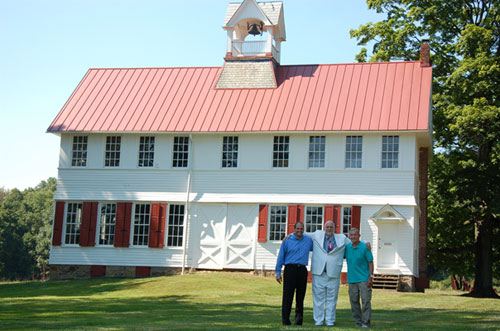
Every day, as we establish the expanded “Heronswood East” display gardens at Fordhook Farm in Doylestown, PA, we relearn the many profound truths in American horticulture, all of which express its essential feature: space. Our nation possesses a lot of it. So much diversity is found in nearly 3.8 million square miles that one must reduce it, literally, to its parts.
We may as well begin somewhere:
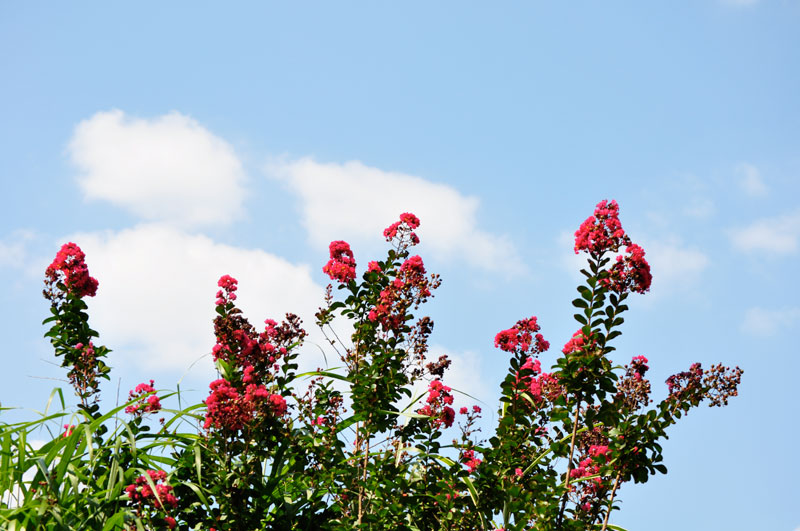
The two main parts—quite relevant to our nursery and your regard of it—are the eastern half of the US and the western half. For example, whenever we hold our Heronswood East Open Days at Fordhook and folks come from hundreds of miles around Southeast Pennsylvania, we find it hard to hold their attention to our shade gardens. Why? The reason is simple: we are covered with shade trees in the Northeast and mid-Atlantic areas. Also, we have a longish winter. Generally, the same is true of the Southeast. Therefore, most people in the eastern half of the US love full sun gardens with a deep passion, just as they adore the sky, as in the mountains or at the beach (called “the shore” in these parts). We like what we lack, so to speak. If you dwell in a forest, you like to get out in the open.
Contrast this to the western half of the US where—except for the mountains—there are relatively few trees and, generally, almost no forests. Mainly, the reason is lack of moisture. The primary sensation is of sun and cloudless sky—relentless and rarely broken by large stands of deciduous trees. Of course the Pacific Northwest is the exception, which is why millions flock there in the summer.
Therefore, gardeners in the western half of the US tend to prefer shade gardens. Thus, most ornamental gardens are generally shaded or semi-shaded in the plains states and due west, until you reach the narrow strip of the cool and cloudy Pacific coastline.
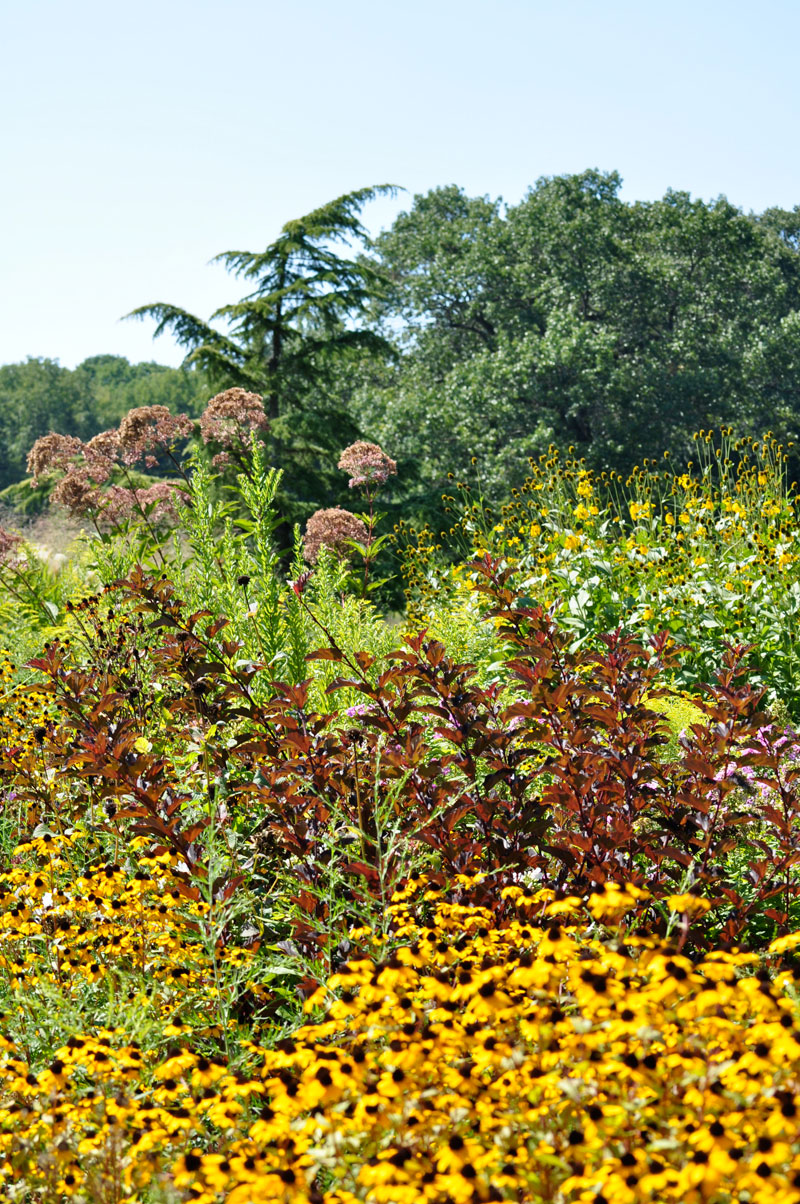
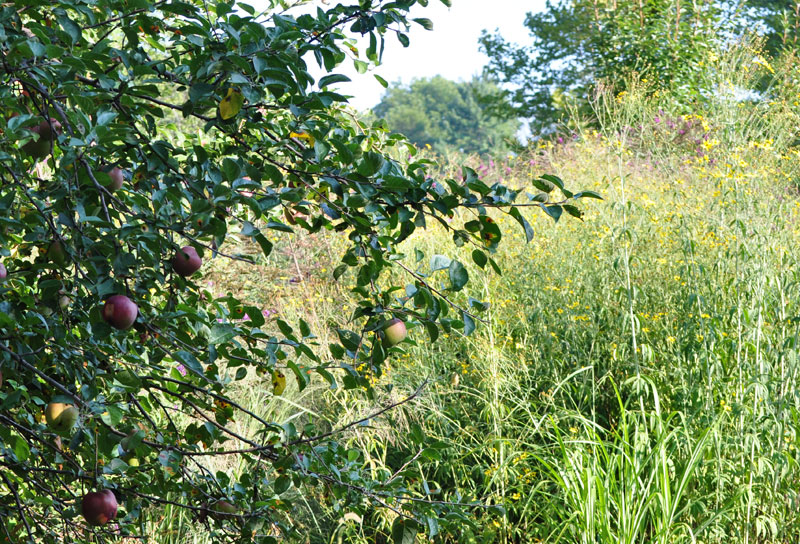
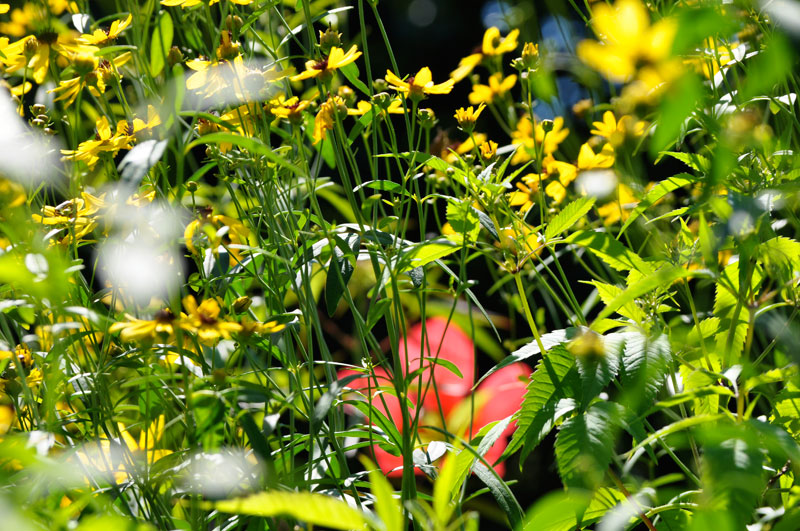
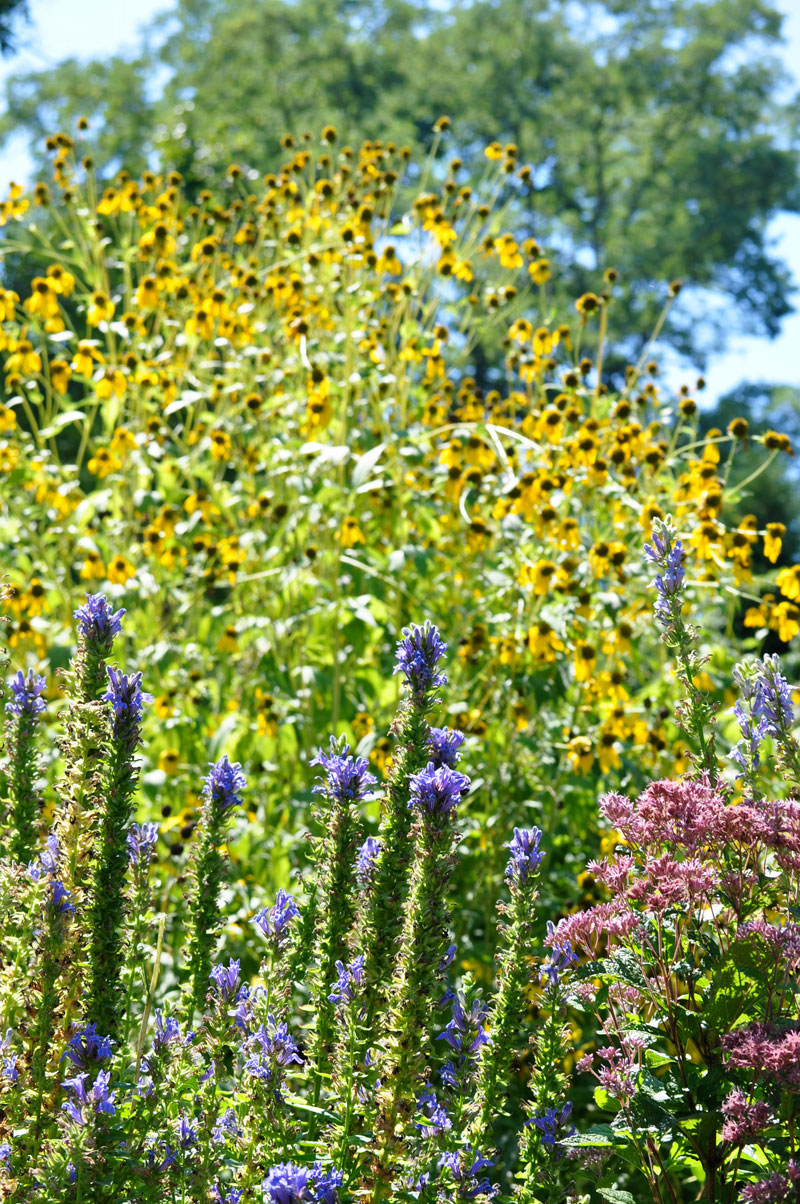
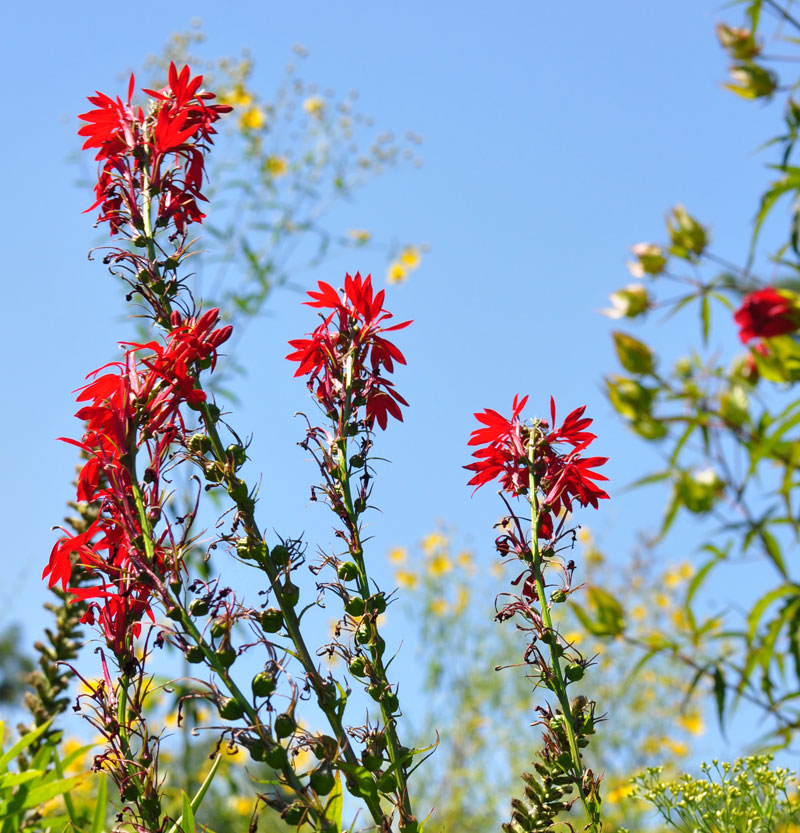
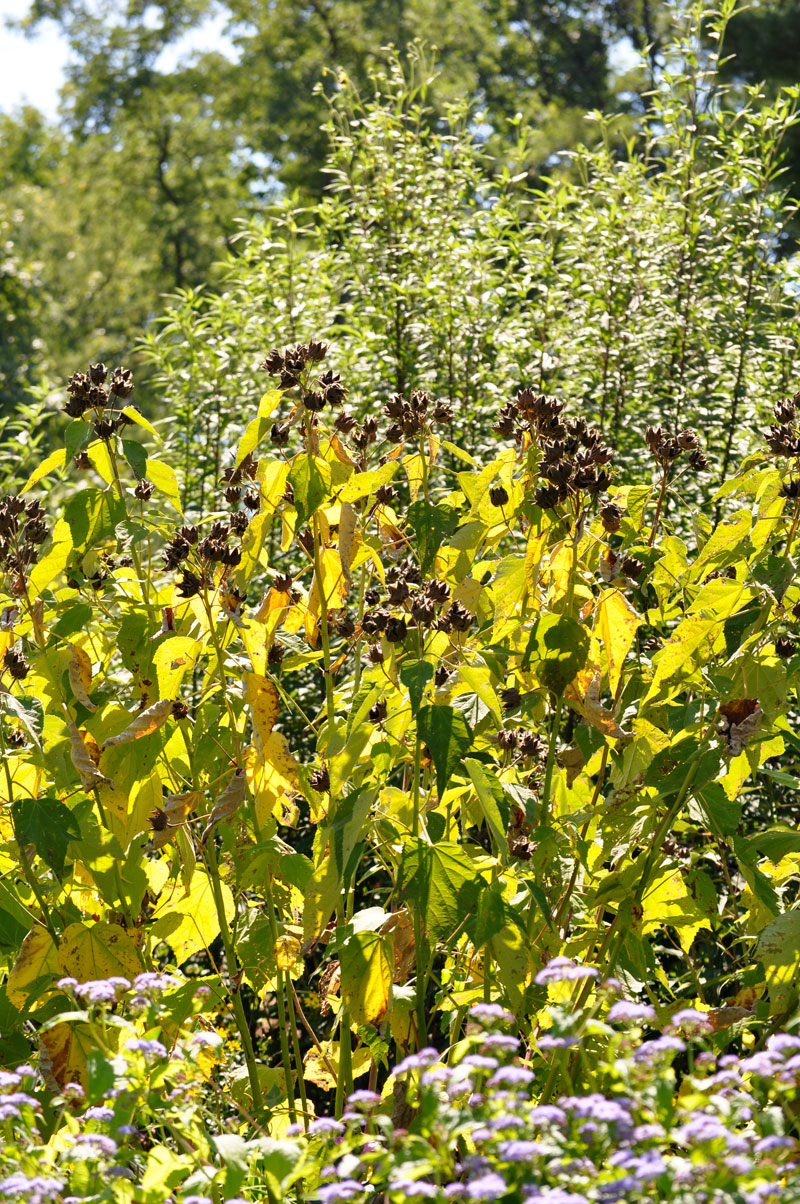
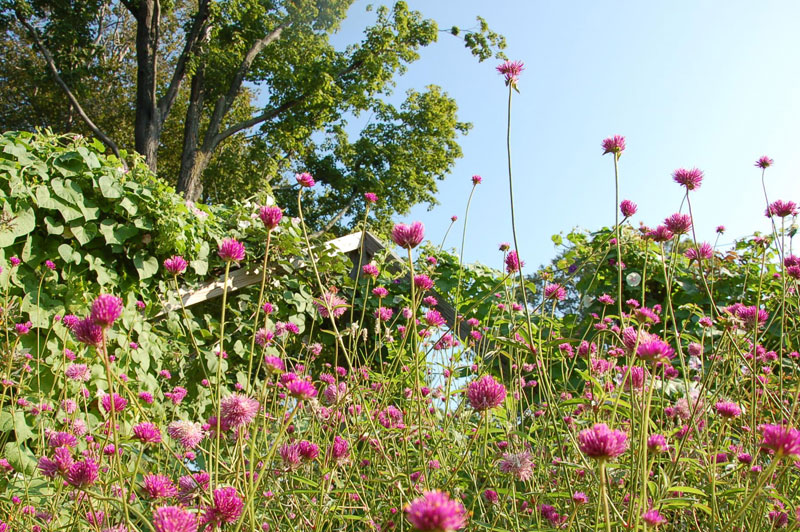
In the eastern half, meadow plants and full sun gardens are generally preferred. Easterners hunger for the sky, and the bigger, the better. It is amusing, since it mirrors somewhat the way that westerners edge their way out of the sun and into the shade. However, the Southeast does represent an exception to this rule, but only in midsummer when the outdoor focus is sitting beside a coleus, impatiens and hosta glowing under a very large shade tree. Otherwise, stay indoors!
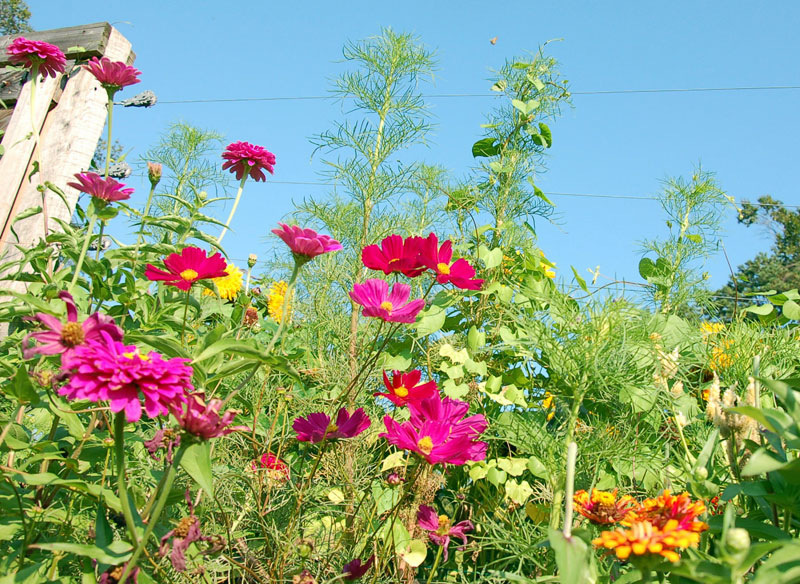
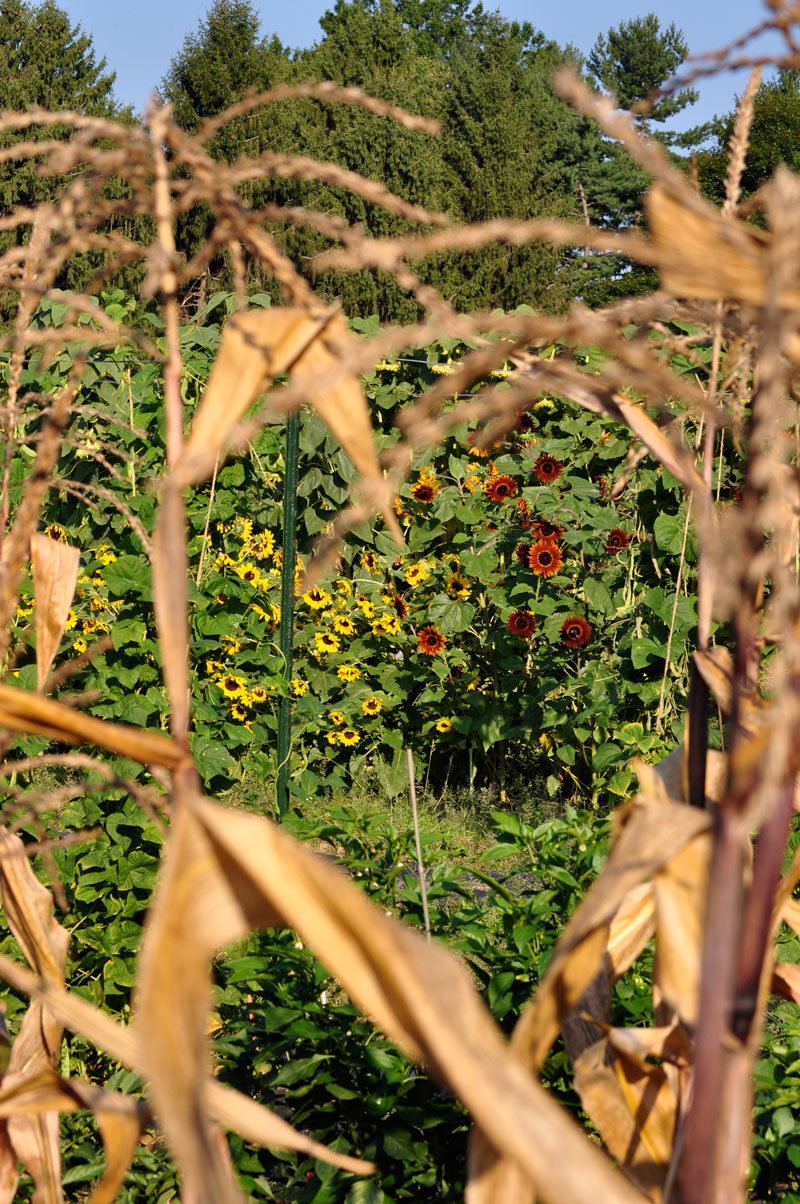
With the exception of the Deep South (our “Pacific Northwest”) in the summer, this bifurcation has challenged us at Heronswood to make sure we “cover all the bases”. Do we wish to create a simulation of our original full shade garden at Kingston, WA, here in Doylestown, PA? OK, but we have also to “vary the line” as Bernard Berenson said to an aspiring young artist. Few Easterners gravitate happily to a deep shade garden. They’d rather enjoy open meadow gardens, borders and full sun rare shrubs and trees such as those we have established at Fordhook Farm. We’ll have several Open Houses and plant sales next spring and summer. Generally speaking, wild horses couldn’t drag visitors into our shade gardens, even though they are extraordinary. Only the better-experienced or well-travelled gardeners “dig” our shade gardens in PA.
However, in Kingston, WA, it’s like the recent Geico radio commercial: “Give me shade, give me shade and, oh yeah, give me shade!” During winter, full-sun ornamental gardening in the Southwest is fine, when you can pull it off, particularly in southern coastal California. From Santa Barbara to San Diego is like a waking dream in winter. But generally (and this includes the Deep South as well), give western folks the deep shade. They like to look at it as well as relax in it.
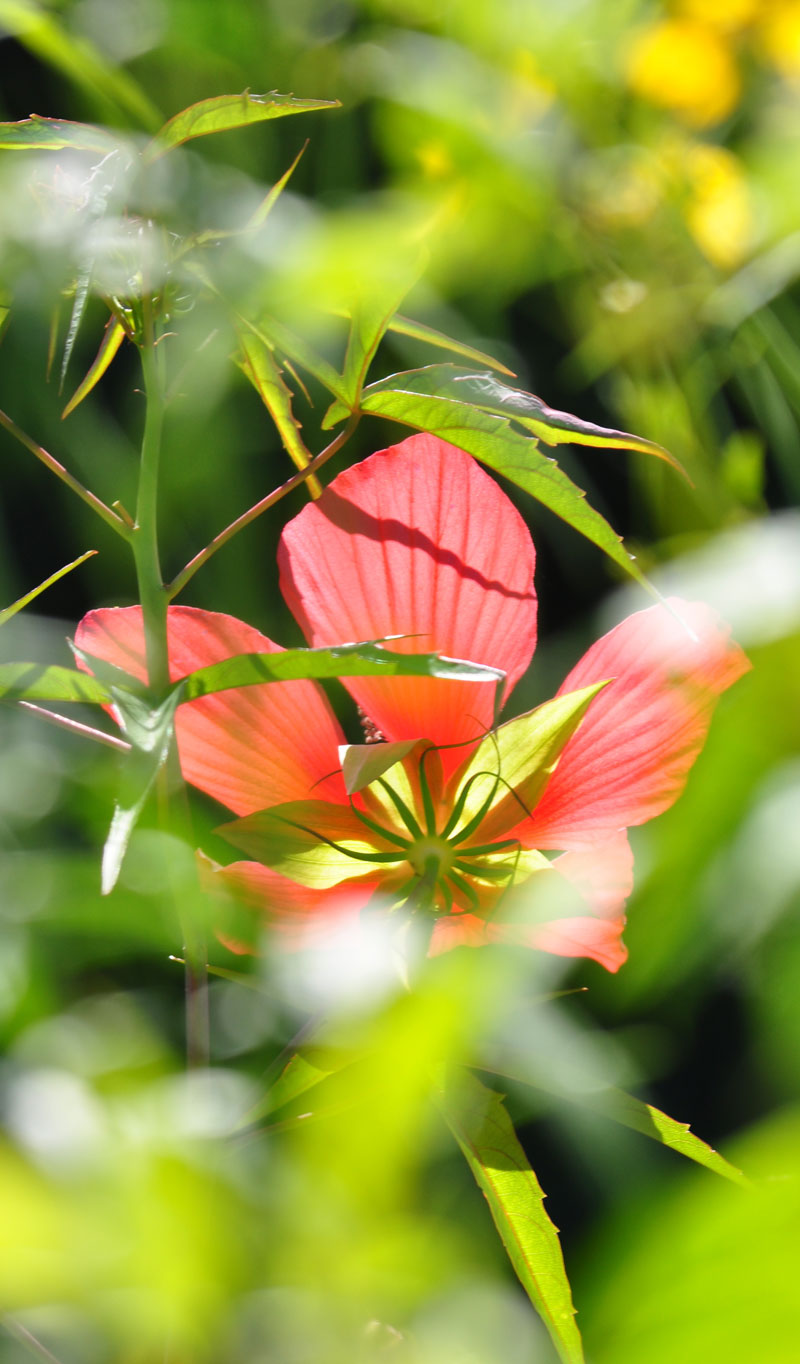
At our research gardens in Heronswood East, our focus is both shifting and expanding to include a bit more full-sun plants, which you will see also in our new 56 page catalogue coming to you in late December, and on our website even sooner.
Ironically, in our research gardens at Heronswood West we lost several large Douglas Firs, thereby gaining a few thousand square feet of direct sunlight smack dab in the middle of the “Big Bang”, our deepest shade collection garden. This should create genetic selection pressure (i.e., some will die) and new results and effects over the next few years—interesting especially to our traditional Pacific Northwest customers.
My mother was born in the pine woods of western South Carolina: flat and covered in full to partial shade except near the roads, on the farms and in town. Then she married Dad and moved up to Chicago’s western suburbs, which are full of tall oaks, maples and ironwoods. Dark, dark and, oh yeah, more dark. Very beautiful, but dark! Occasionally, she would drive us kids out to the middle of the gigantic parking lot of the new big shopping center when it finally came to town. “Just look at the sky—isn’t it wonderful?” And it truly was a unique sight, like we’d suddenly risen into the sky. She actually preferred the parking lot to the store. To this day, I love that parking lot.
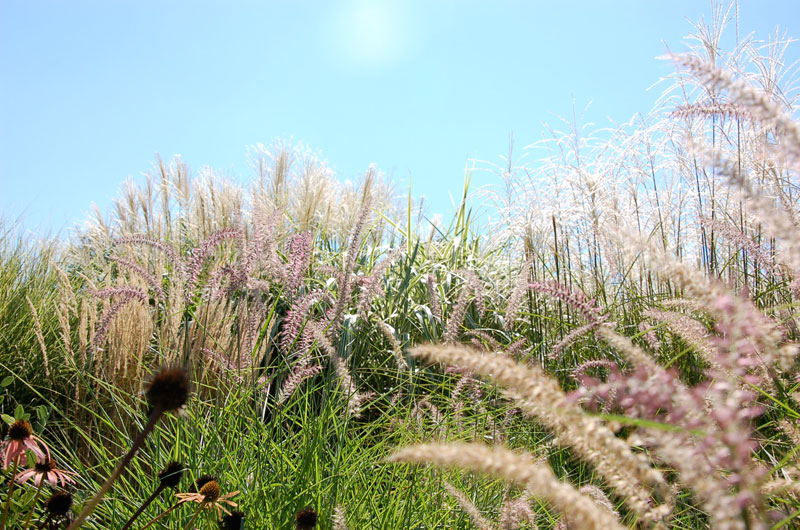
The “New American Gardening” I referred to in my last post is based partly on this type of effect. Much of inhabited Europe was blown to smithereens—trees included—during World War II. There opened vast open spaces, either battlefields, ruined or obliterated villages and towns or now-empty fortresses, bases and airstrips. What to do? An entire garden industry emerged from the civic movement and parks projects that resulted. Often they filled the empty spaces with the wide palette of meadow grasses and tall perennials found in the US and Russian mid-continents. That’s the origin of Rudbeckia ‘Goldsturm’, Echinacea purpurea ‘Magnus’ and the designs of Oehme, Van Sweden and Oudolf. Hardly a deep shade plant to be found.
But fear not, partial-to-full-shade-plant lovers. We at Heronswood Nursery are conducting research in both shade and sun and doing so on both coasts. For our deep-fried southern friends, we test also in the heat and humidity of southern Delaware, so both you and my maternal ancestors will be happy. I have got to keep my maternal ancestors happy.
Keep watching for upcoming dates and thanks for gardening in “eternity”.